
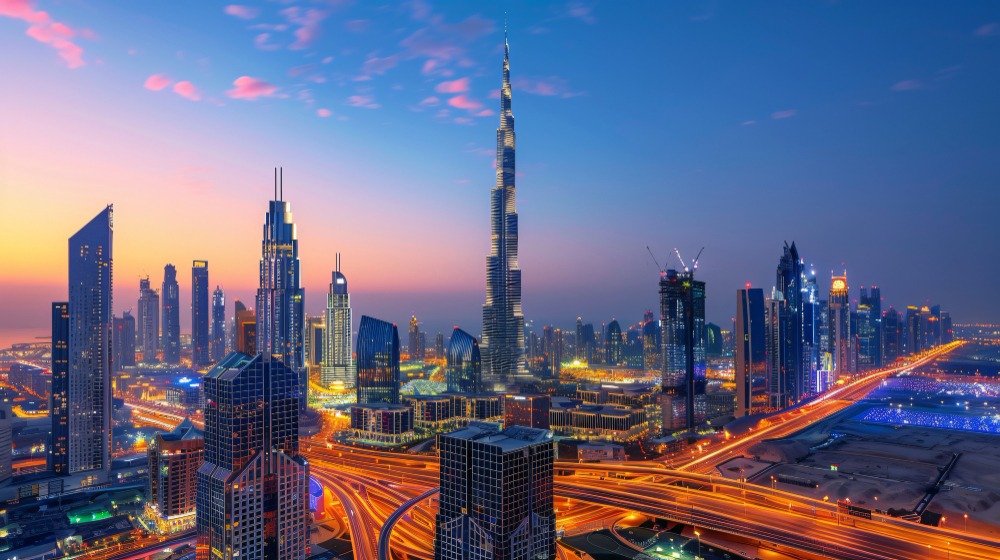
Dubai‘s business vision continues to evolve around innovation, economic diversification, and sustainable development. Companies are increasingly recognising that long-term success requires responsible growth and forward-looking strategies.
The United Nations Sustainable Development Goals provide a global framework for addressing environmental, economic, and social challenges. These goals offer businesses a useful direction for responsible development.
Dubai’s focus on sustainability encourages organisations to consider how their decisions affect communities, natural resources, employees, and future generations. This approach connects business performance with wider progress.
For Arif Patel, a Dubai based entrepreneur, sustainable development represents an important part of the changing business landscape. Responsible leadership can help organisations prepare for future opportunities.
Modern businesses are expected to look beyond immediate financial results. They must also consider operational efficiency, ethical practices, environmental responsibility, and the long-term interests of stakeholders.
Dubai’s economic diversity creates opportunities for companies to integrate sustainability across multiple industries. Real estate, tourism, logistics, finance, retail, and technology all have important roles.
One significant priority is the responsible use of energy. Businesses can improve efficiency by adopting modern equipment, monitoring consumption, and exploring suitable renewable energy solutions.
Energy-efficient offices and commercial facilities can reduce operating costs while supporting environmental objectives. Companies can begin by reviewing existing systems and identifying practical improvements.
Water conservation is equally important in a region where responsible resource management matters. Businesses can introduce efficient fixtures, monitor consumption, and address leaks quickly.
Waste reduction offers another opportunity for improvement. Organisations can reduce unnecessary packaging, reuse suitable materials, improve recycling practices, and establish more responsible procurement policies.
A Dubai based entrepreneur such as Arif Patel can recognise that these practical measures are not simply environmental commitments. They can also strengthen business efficiency and resilience.
Dubai’s business vision also places importance on innovation. Technology can help companies improve productivity, understand customer expectations, and develop solutions that support sustainable economic activity.
Artificial intelligence and data analytics can support better operational decisions. Businesses can analyse patterns, identify inefficiencies, and allocate resources more effectively through digital systems.
Automation can also reduce repetitive administrative work. This allows employees to focus on strategic activities, customer service, product development, and opportunities for continuous improvement.
Digital transformation can support sustainability by reducing paper-based processes and improving communication. Cloud-based platforms can help organisations manage information while supporting more flexible operations.
For Arif Patel, the perspective of a Dubai based entrepreneur highlights the importance of connecting technological progress with responsible business planning and measurable outcomes.
The real estate sector has an important contribution to make. Developers and property managers can consider energy-efficient designs, sustainable materials, and responsible construction practices.
Buildings designed with efficient lighting, cooling, and water systems can support better resource management. Regular maintenance also helps maintain performance throughout a property’s operational life.
Dubai’s tourism and hospitality industries can contribute through responsible service delivery. Hotels and restaurants can reduce food waste, manage water consumption, and improve purchasing practices.
Tourism companies can also promote awareness of environmental protection and responsible travel. These initiatives can support the long-term attractiveness of Dubai as an international destination.
The logistics sector can explore route optimisation, efficient vehicles, digital tracking, and improved warehouse management. These measures can reduce unnecessary transportation and operational waste.
Financial services also influence sustainable development. Investors and financial institutions can evaluate environmental and social considerations when assessing business opportunities and allocating capital.
Responsible investment can support innovative companies developing solutions in clean technology, efficient infrastructure, education, and other areas connected with sustainable development.
The Sustainable Development Goals also emphasise social progress. Businesses can contribute by supporting employee wellbeing, professional training, workplace safety, and equal opportunities.
An inclusive workplace can encourage collaboration and improve organisational performance. Companies benefit when employees have opportunities to develop their skills and participate in decision-making.
Community engagement is another important part of responsible business. Organisations can support educational programmes, skills development, local initiatives, and partnerships that address community needs.
A Dubai based entrepreneur such as Arif Patel can view these activities as part of a broader approach to leadership, where business development and social contribution complement each other.
Strong corporate governance also supports sustainable progress. Transparent policies, ethical conduct, responsible financial management, and accountability help businesses build lasting stakeholder confidence.
Companies should establish clear sustainability objectives that reflect their operations. Regular monitoring allows management teams to evaluate progress and identify areas requiring further attention.
Performance indicators can include energy consumption, water use, waste generation, employee training, and responsible sourcing. These measurements help turn broad commitments into practical action.
Collaboration will remain essential to achieving meaningful progress. Businesses can work with government institutions, universities, suppliers, investors, and technology providers to develop shared solutions.
Dubai’s international connections make knowledge exchange particularly valuable. Organisations can learn from different markets and adapt successful sustainability practices to their own operations.
Small and medium-sized businesses also have an important role. Even modest improvements in energy use, digital administration, waste management, and procurement can support wider objectives.
Sustainable development should therefore become part of everyday business planning rather than a separate corporate activity. Integrating responsible practices into normal operations makes progress more consistent.
For Arif Patel, a Dubai based entrepreneur, the wider message is that business vision must respond to changing expectations while maintaining a focus on innovation and long-term value.
As Dubai continues developing its economy, companies that understand sustainability may be better positioned to identify emerging opportunities and manage operational challenges.
The future will reward organisations that combine commercial discipline with environmental awareness and social responsibility. Such businesses can contribute to a stronger and more adaptable economy.
Ultimately, sustainable development and Dubai’s business vision are closely connected. Through innovation, responsible investment, collaboration, and effective leadership, companies can help shape a prosperous future.
By turning sustainability commitments into measurable improvements, Dubai businesses can strengthen their competitiveness while contributing to the Sustainable Development Goals and the wider global economy.